Total population
1,772,609
Located in northern Sindh, Ghotki District is one of the largest and most economically significant districts of Sukkur Division. It borders Punjab to the north and east and serves as an important agricultural and industrial hub, supported by major transport links including the National Highway (N-5) and Karachi–Peshawar railway line. The district comprises five tehsils: Ghotki, Mirpur Mathelo, Daharki, Khangarh, and Ubauro, with Mirpur Mathelo as its headquarters. Its economy is driven by agriculture (sugarcane, wheat, cotton, and rice) and industries including fertilizer, textiles, sugar, and energy. With major industrial and energy installations, fertile agricultural land, and strategic connectivity, Ghotki is a key contributor to Sindh’s economy.
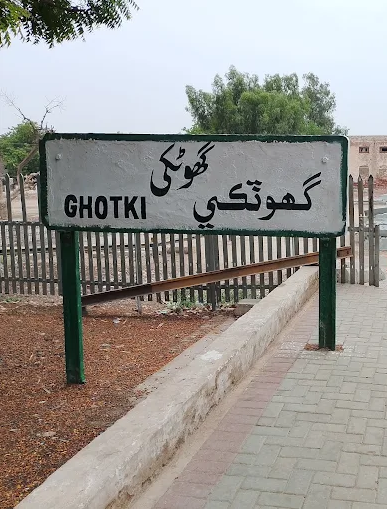
1,772,609
6,795 km²
5 tehsils · 66 union councils
| Indicator | Value |
|---|---|
| Total population | 1,772,609 |
| Tehsils | 5 |
| Union councils | 66 |
| Total area | 6,795 km² |
| Type | Count |
|---|---|
| Schools | 1,726 |
| Colleges | 12 |
| Facility type | Count |
|---|---|
| DHQ | 1 |
| THQ | 2 |
| BHU | 33 |
| RHC | 3 |
| GD | 10 |
| MCH | 1 |
| Facility type | Count |
|---|---|
| DHQ | 1 |
| THQ | 2 |
| BHU | 33 |
| RHC | 3 |
| GD | 10 |
| MCH | 1 |
| Station | Count |
|---|---|
| Police stations (district total) | 14 |
| Total | 14 |
| Member | Constituency | Name (Party) |
|---|---|---|
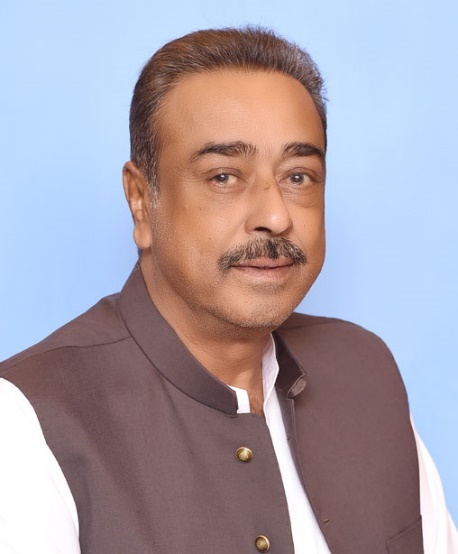 |
NA-198 Ghotki-I | Mr. Khalid Ahmed Khan Lund (PPP) |
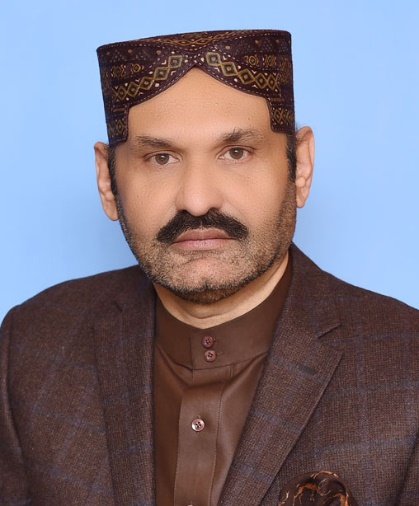 |
NA-199 Ghotki-II | Mr. Ali Gohar Khan Mahar (PPP) |
| Member | Constituency | Name (Party) |
|---|---|---|
 |
PS-18 Ghotki-I | Mr. Mahtab Hussain Dahar (PPP) |
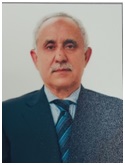 |
PS-19 Ghotki-II | Mr. Nadir Akmal Khan Leghari (PPP) |
 |
PS-20 Ghotki-III | Mr. Muhammad Bux Khan Mahar (PPP) |
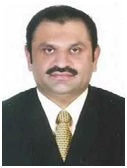 |
PS-21 Ghotki-IV | Mr. Ali Nawaz Khan Mahar (PPP) |
Ghotki is connected by the N-5, M-5 Motorway, and Karachi–Peshawar railway, but roads in Ubauro, Khangarh, Daharki, and Mirpur Mathelo remain poorly maintained and flood-prone.
Despite the Indus River and canal network, many communities lack safe drinking water due to groundwater contamination and inadequate treatment, distribution, and aging supply systems.
Healthcare relies on DHQ Hospital Mirpur Mathelo, taluka hospitals, RHCs, and BHUs, but shortages of specialists, staff, medicines, and diagnostics force many patients to seek advanced care in Sukkur.
Despite major fertilizer, sugar, textile, and energy industries, employment is limited by skills gaps, seasonal agriculture, and weak SME growth, especially for rural youth.
Waterlogging, salinity, industrial pollution, groundwater contamination, and Indus floods continue to threaten agriculture, public health, and infrastructure.