Total population
2,597,535
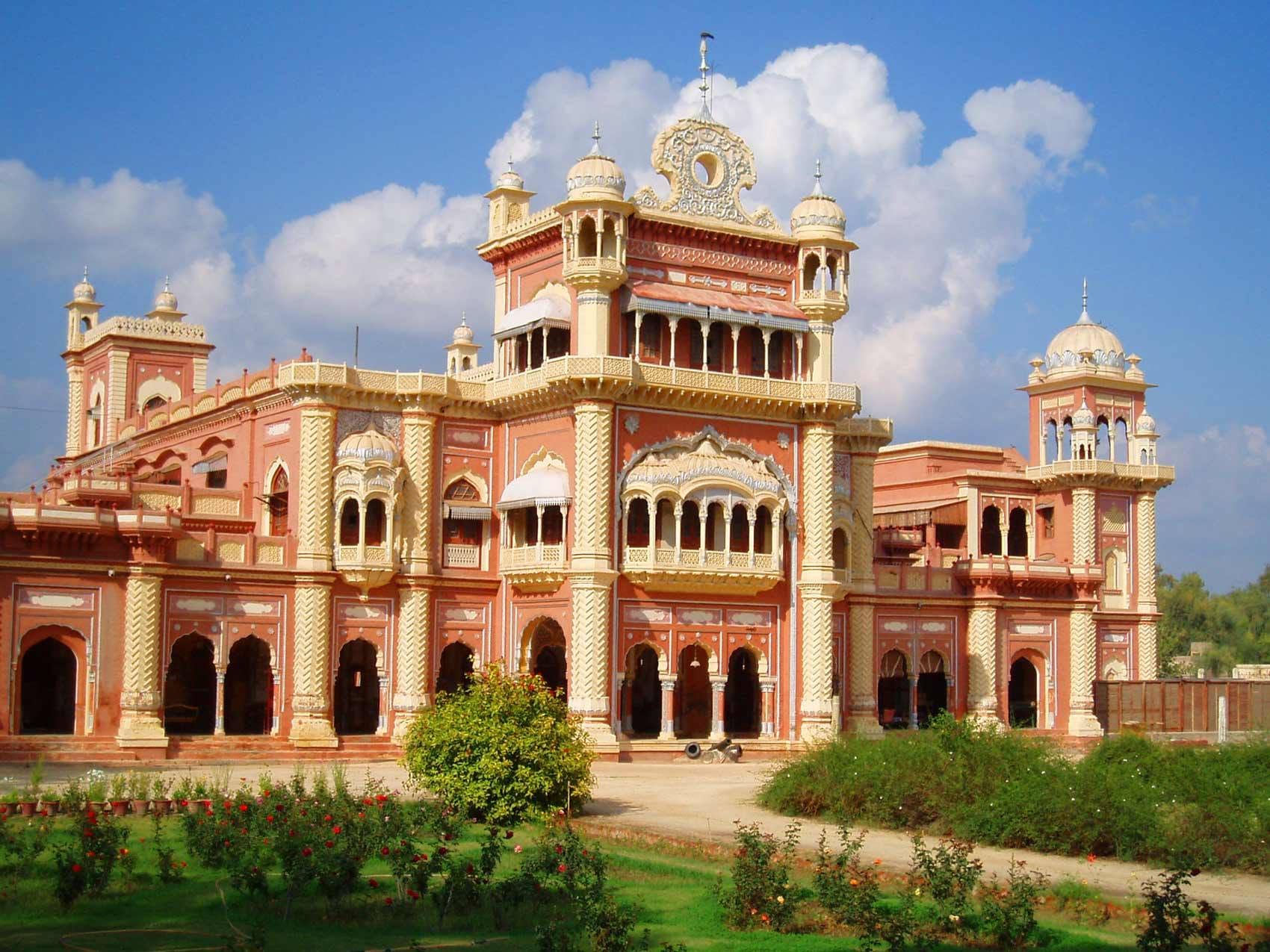
Located in central Sindh, Khairpur District is one of the largest and historically significant districts of Sukkur Division. It borders Sukkur, Naushahro Feroze, and the Indus River, with connectivity through the National Highway (N-5), Sukkur–Karachi route, and Karachi–Peshawar railway line. The district comprises eight tehsils, with Khairpur City as its headquarters. Its economy is based on agriculture, especially dates, wheat, cotton, rice, and sugarcane, supported by agro-processing industries and handicrafts. Khairpur also hosts important educational and healthcare institutions, including Gambat’s advanced medical facilities. With its agricultural strength, heritage, and strategic location, the district plays a key role in Sukkur Division’s development.
2,597,535
15,910 km²
8 tehsils · 88 union councils
| Indicator | Value |
|---|---|
| Total population | 2,597,535 |
| Tehsils | 8 |
| Union councils | 88 |
| Total area | 15,910 km² |
| Type | Count |
|---|---|
| Schools | 3,424 |
| Colleges | 38 |
| Facility type | Count |
|---|---|
| DHQ | 1 |
| THQ | 1 |
| BHU | 83 |
| RHC | 1 |
| GD | 49 |
| MCH | 1 |
| Facility type | Count |
|---|---|
| DHQ | 1 |
| THQ | 1 |
| BHU | 83 |
| RHC | 1 |
| GD | 49 |
| MCH | 1 |
| Station | Count |
|---|---|
| Police stations | 35 |
| Police posts | 7 |
| Total | 42 |
| Member | Constituency | Name (Party) |
|---|---|---|
 |
NA-202 Khairpur-I | Dr. Nafisa Shah (PPP) |
 |
NA-203 Khairpur-II | Mr. Pir Syed Fazal Ali Shah Jillani (PPP) |
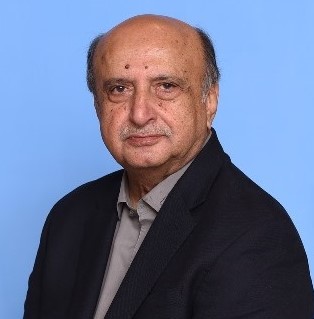 |
NA-204 Khairpur-III | Mr. Syed Javed Ali Shah Jillani (PPP) |
| Member | Constituency | Name (Party) |
|---|---|---|
 |
PS-26 Khairpur-I | Mr. Qaim Ali Shah (PPP) |
 |
PS-27 Khairpur-II | Mr. Hallar Wassan (PPP) |
 |
PS-28 Khairpur-III | Mr. Sajid Ali Banbhan (PPP) |
 |
PS-29 Khairpur-IV | Mr. Shiraz Shaukat Rajper (PPP) |
Khairpur is connected by the N-5, provincial roads, and the Karachi–Peshawar railway, but roads in Nara, Faiz Ganj, Kingri, Sobhodero, and Kot Diji are poorly maintained and flood-prone.
Despite the Indus River and irrigation network, safe drinking water remains limited due to aging infrastructure, inadequate treatment, groundwater contamination, and salinity, especially in Nara and desert areas.
Healthcare depends on DHQ Civil Hospital, taluka hospitals, RHCs, BHUs, and GIMS, but shortages of doctors, medicines, diagnostics, and emergency services restrict specialized care.
Despite agriculture, date production, and agro-processing, employment is constrained by limited industrial diversification, skills gaps, and weak private investment, especially for rural youth.
Water scarcity, salinity, desertification, groundwater depletion, extreme heat, and flooding threaten agriculture, water security, biodiversity, and livelihoods.