Sewerage Overload
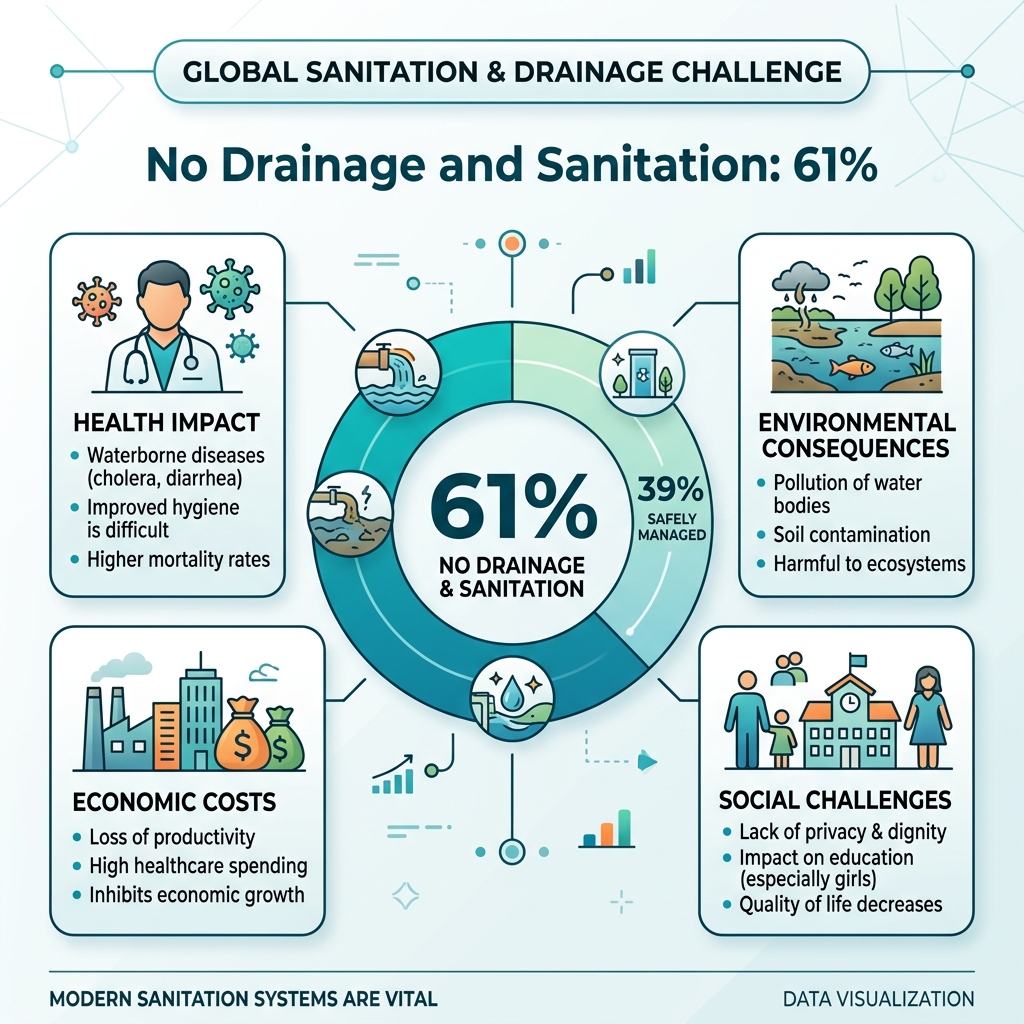
Sukkur Division faces lower operational efficiency of sewerage and municipal disposal networks compared to Karachi.
Functional Drainage and Waste Management Coverage:
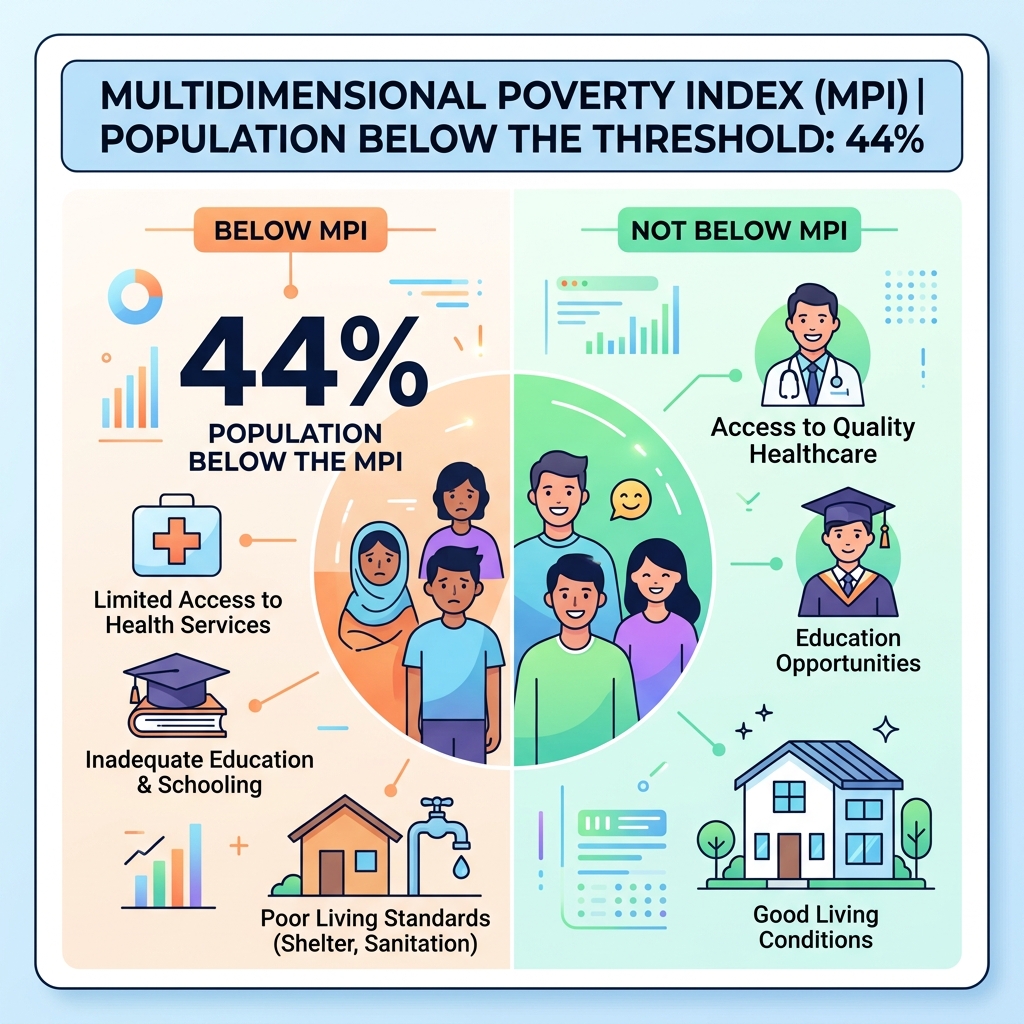
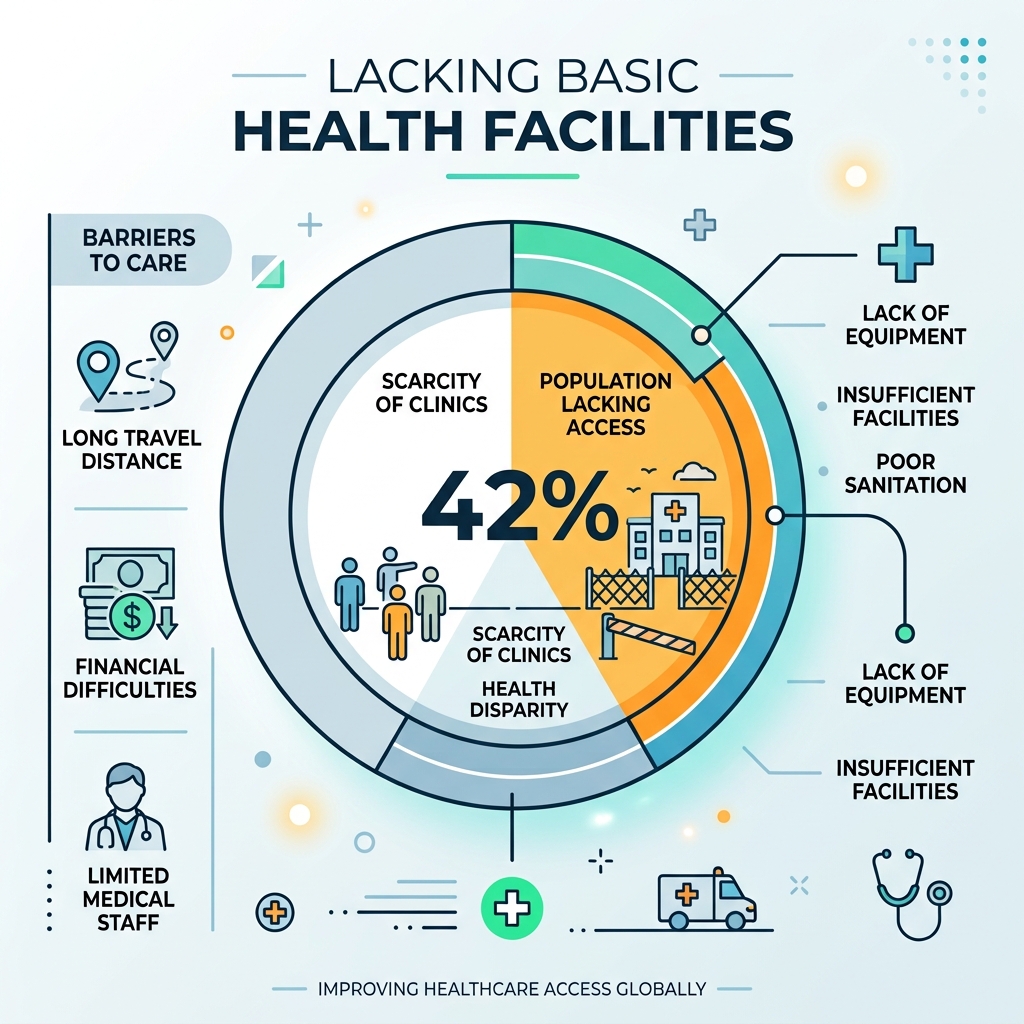
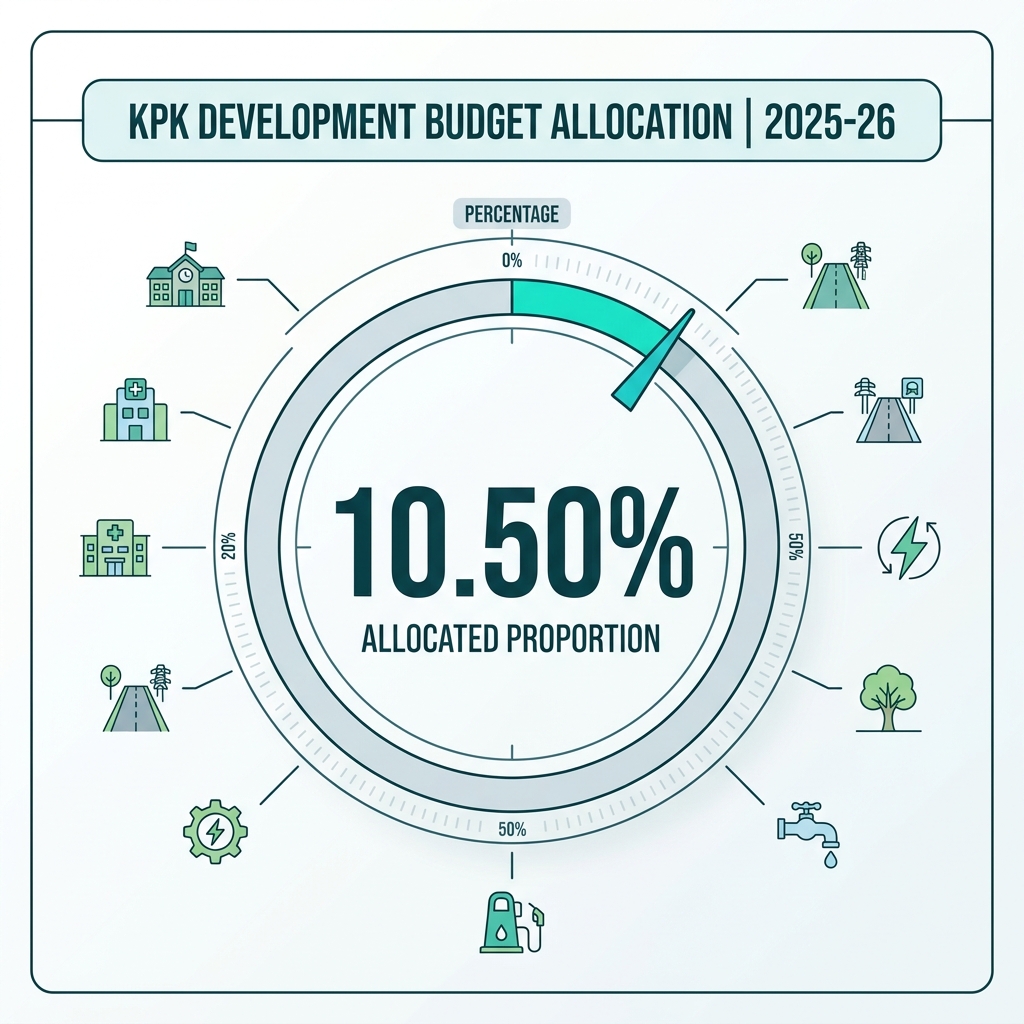
Sukkur Division, with a population of 6.01 million and an area of 27,158 km², is larger than 75 countries in population and larger than 50 in land area. Despite its vital status as the industrial and agricultural gateway of Upper Sindh, it faces intense poverty, infrastructure decay, and chronic neglect, receiving a disproportionately low share of the provincial development budget. Around 44% of its population lives under multidimensional poverty, 61% lack modern drainage systems, 42% lack basic healthcare access, and 14,200 crime cases are reported annually. Experts believe that granting provincial status could be a game-changer, ensuring fair resource distribution, localized governance, and balanced development across its districts.


The Sukkur Division faces fragile healthcare, infrastructure gaps, sanitation deficits, unsafe drinking water, and climate vulnerabilities along the upper Indus basin.
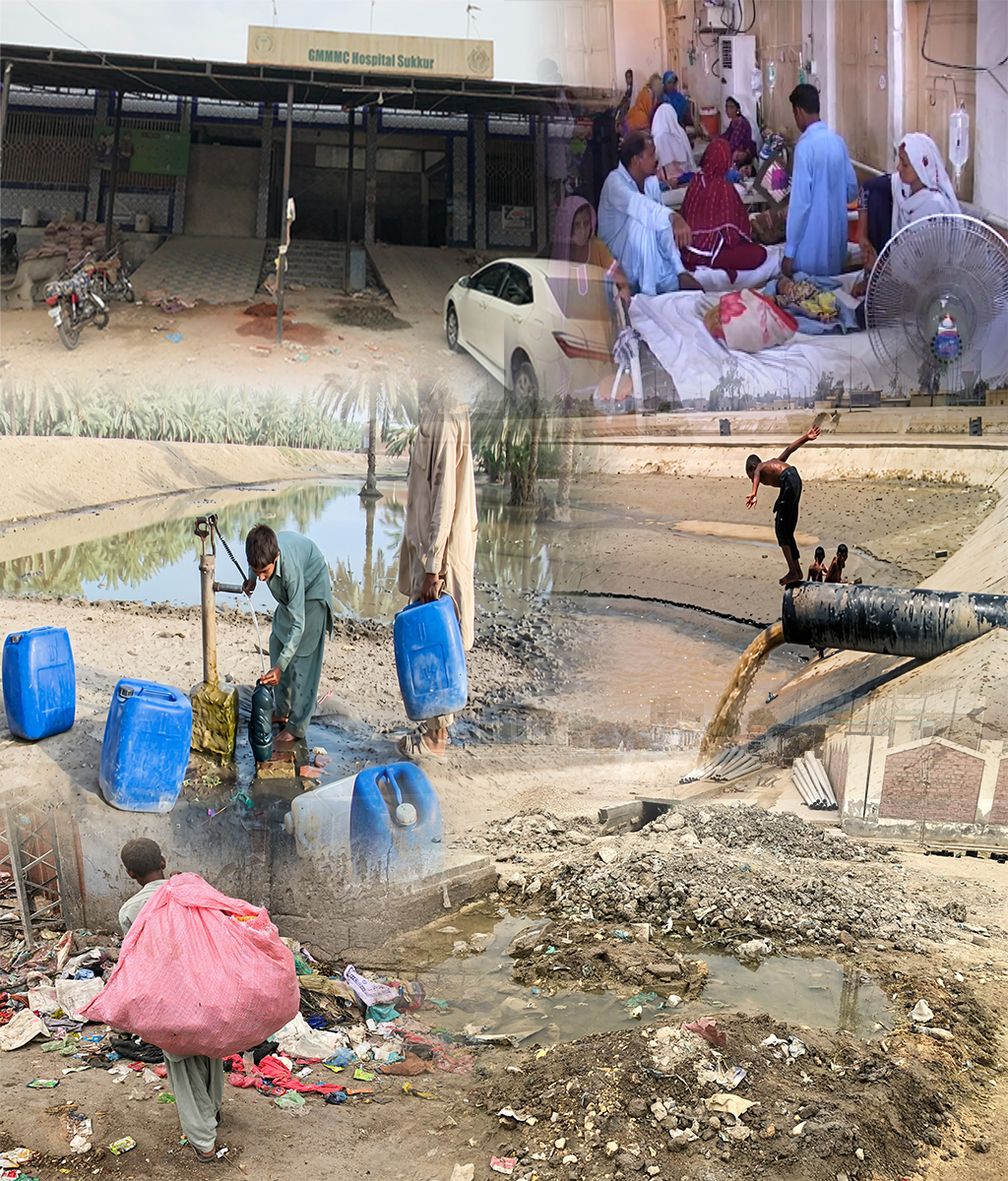
Sukkur Division faces lower operational efficiency of sewerage and municipal disposal networks compared to Karachi.
Functional Drainage and Waste Management Coverage:
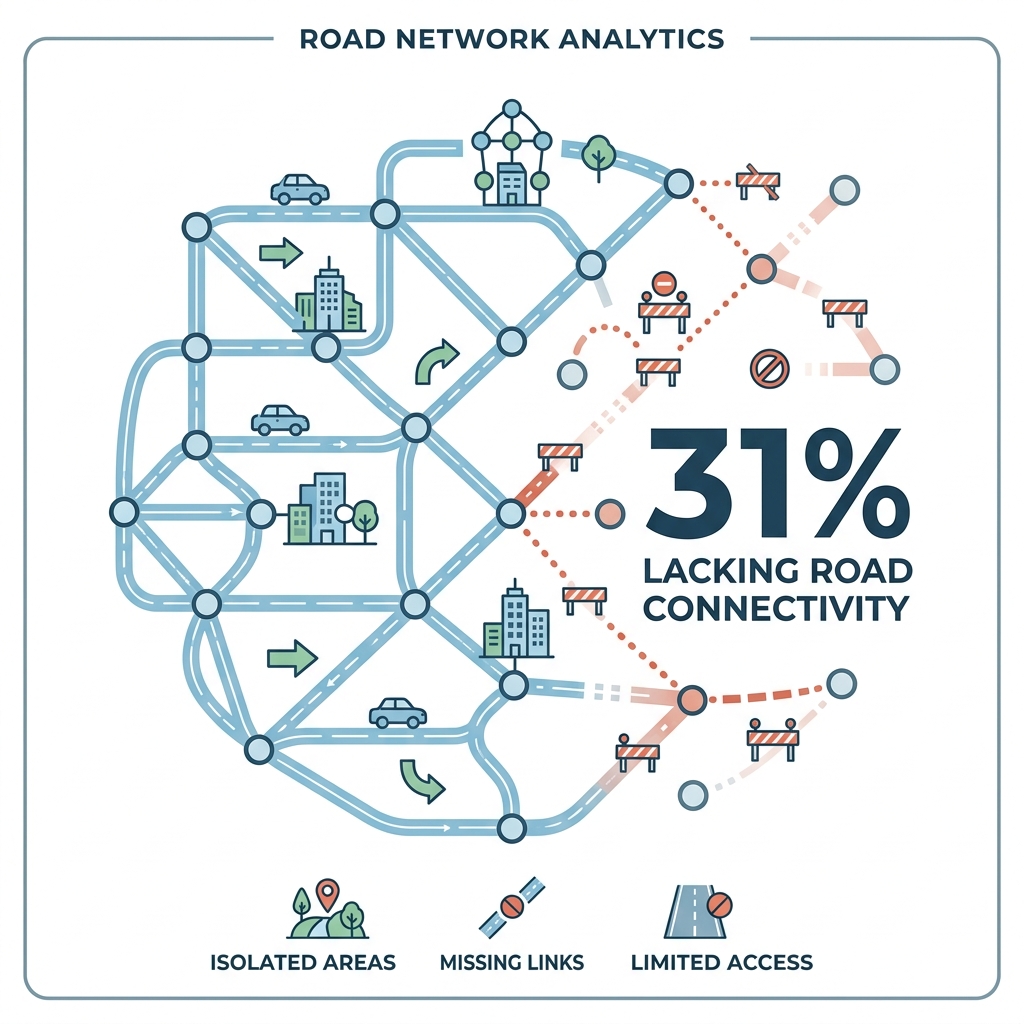
The critical sections of the National Highway (N-5) and N-55 loops connecting Sukkur to its upper and lower agricultural hubs remain heavily damaged for years.
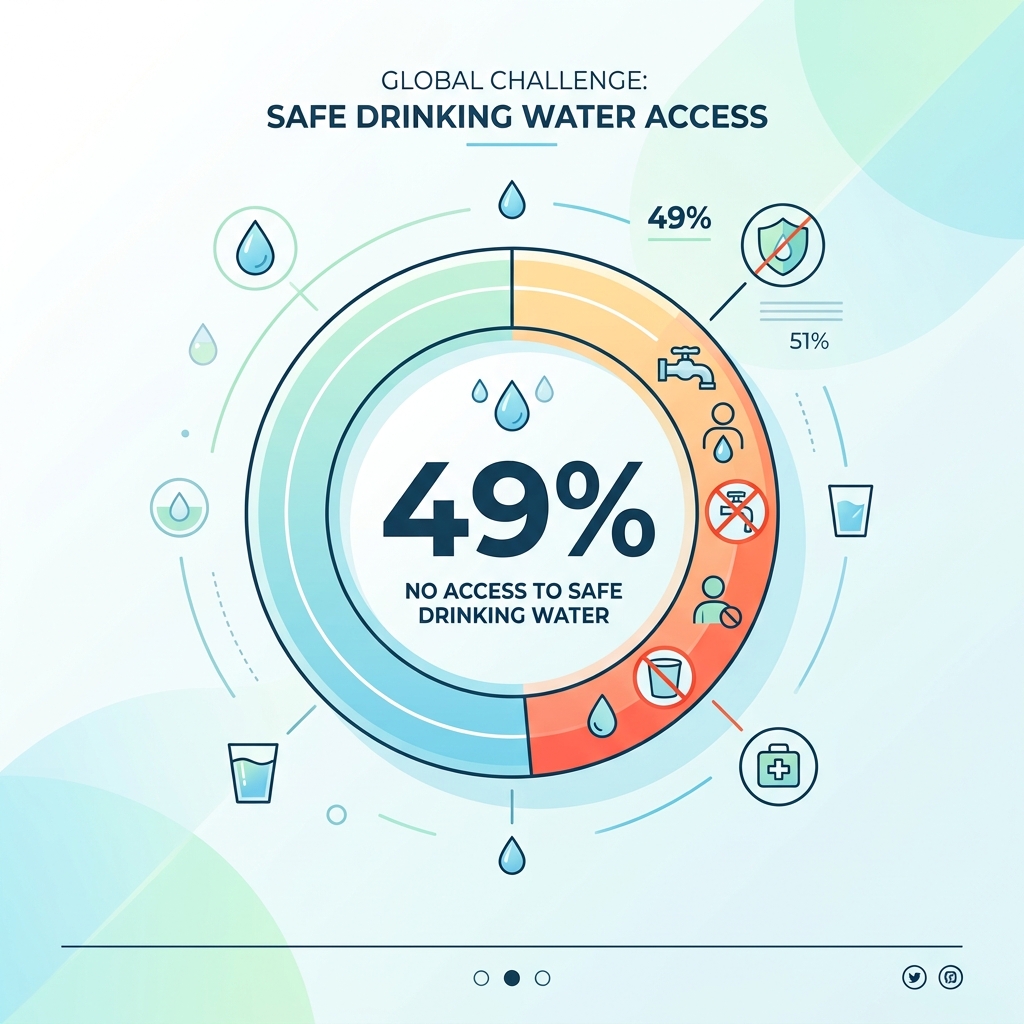
Sukkur Division faces a much worse drinking water and infrastructural crisis than Karachi Division.
Outdated or Contaminated Water Infrastructure:
Compared to Karachi, Sukkur is facing a much deeper poverty challenge.
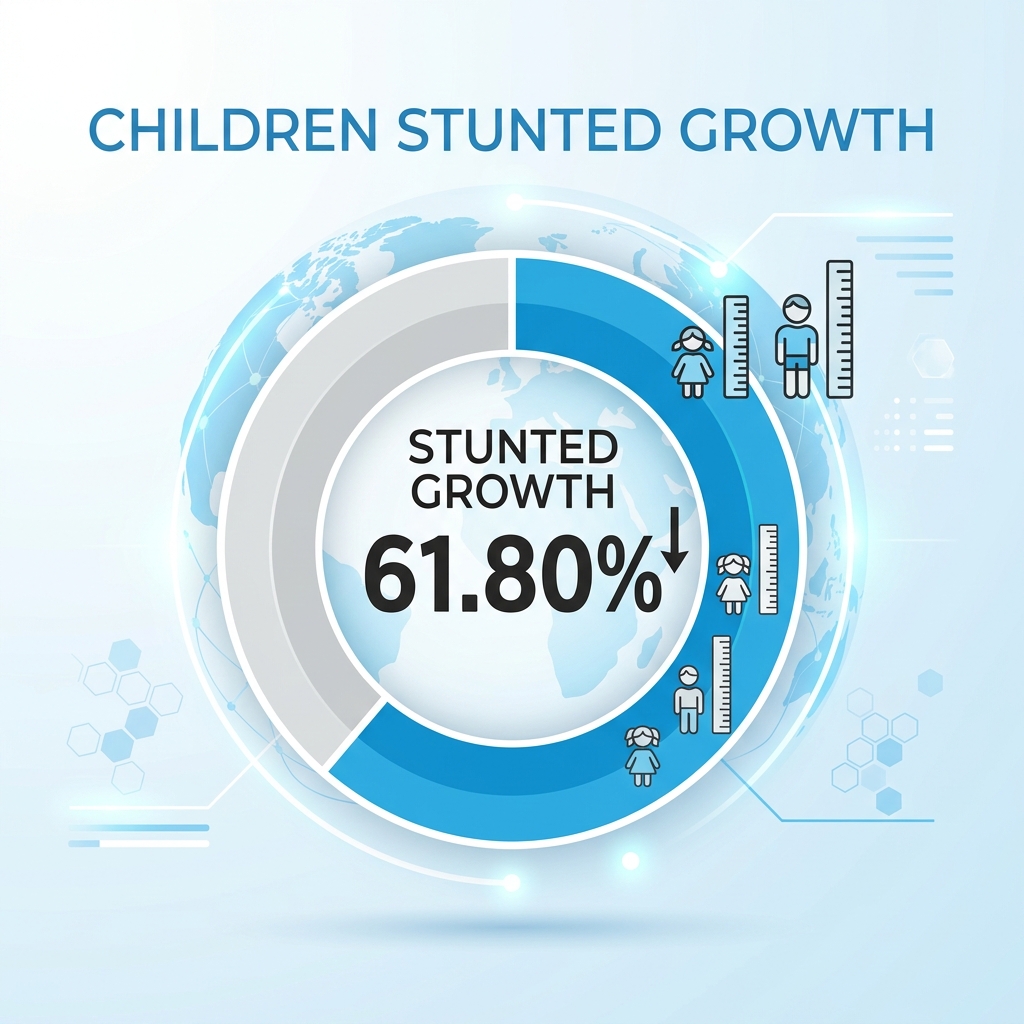
Child malnutrition, including stunting and wasting, is significantly worse across the Sukkur Division than in Karachi.
Stunted
Wasting
The operational availability of functional hospital beds is considerably lower across Sukkur Division.
Karachi serves as the medical hub of the province, leaving Sukkur Division with a severe deficit.
The child health and survival situation across the frontier districts of Sukkur Division is far more alarming than in Karachi.
Infant Mortality (per 1,000 live births)
Child Mortality (Under-5, per 1,000 live births)
The skilled medical workforce (physicians, nurses, and midwives) is weak in Sukkur Division compared to the capital.
Doctors, Nurses & Midwives per 1,000 Population
Sukkur Division faces a significantly greater crisis regarding out-of-school children (OOSC) than Karachi.
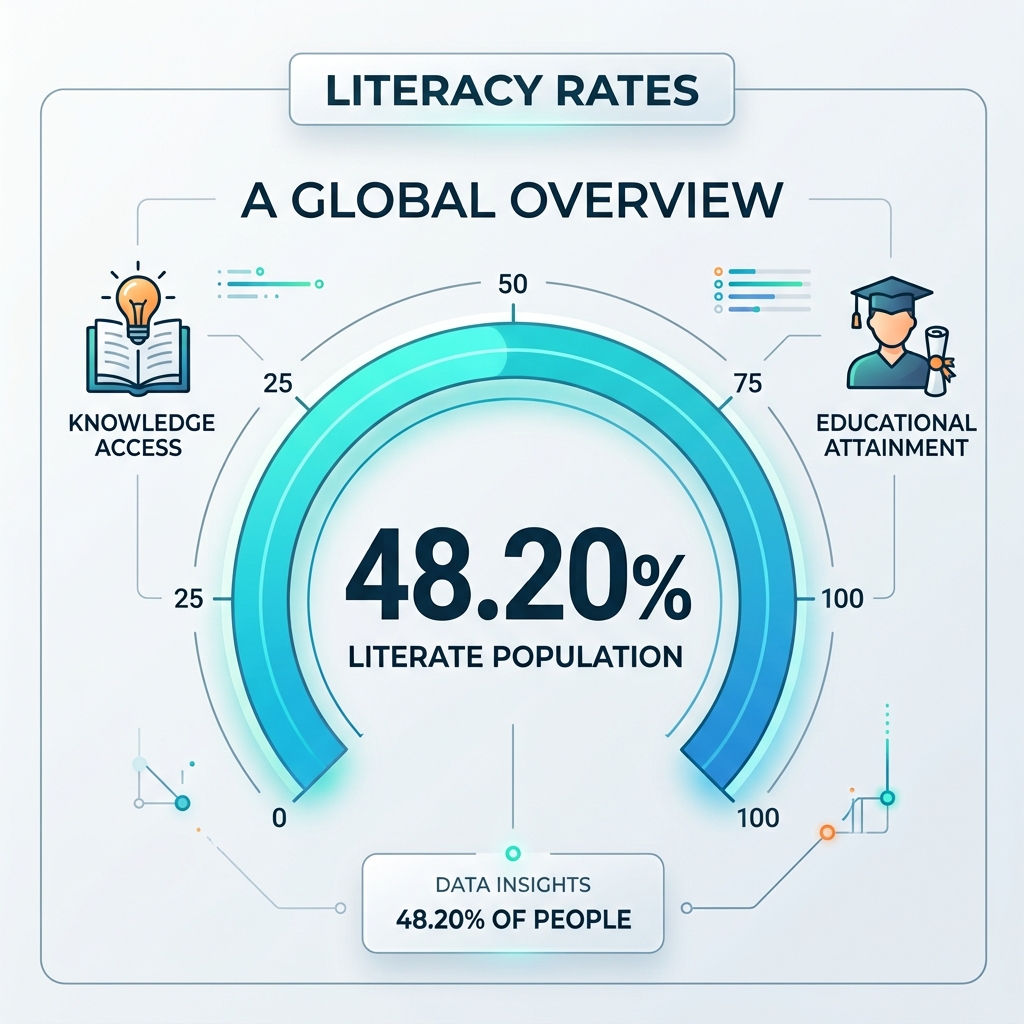
Sukkur Division struggles with a much deeper education gap in net enrolment than the capital.
Limited physical access to educational institutions remains a serious concern across the Sukkur Division
At the Sindh High Court, approximately 13,200 cases pertaining to the Sukkur Division are pending.
In the lower courts of the Sukkur Division, 21,950 criminal cases and 39,030 civil cases are currently pending.
Total Pending Cases: 60,980
On average, approximately 14,200 crime and law-and-order-related cases are registered annually across the districts of the Sukkur Division.